It’s a sight that causes a universal feeling of dread for any driver: the sudden, unwelcome glow of the check engine light on your dashboard. That small, amber icon, shaped like an engine block, can trigger a wave of questions and anxiety. Is it serious? Can I keep driving? How much is this car repair going to cost me? While it’s tempting to ignore it, cover it with a piece of tape, and hope it goes away on its own, that little light is your vehicle’s primary and most important way of telling you that something is wrong and it needs professional attention.
Ignoring it is a high-stakes gamble that can turn a minor, inexpensive issue into a major, wallet-draining failure. This comprehensive guide will help you understand what that light means, the most common reasons it comes on, the serious consequences of neglect, and why the first and most important step you can take is to seek a professional diagnosis from a trusted auto mechanic. For drivers in our community, understanding this crucial warning sign is the key to effective and affordable auto repair Chehalis, and it’s why so many rely on the expertise of Anthony’s Auto Service to get to the root of the problem.
What is the Check Engine Light, Really?
The check engine light is technically called the Malfunction Indicator Lamp (MIL). It’s the public face of your car’s complex On-Board Diagnostics (OBD-II) system. Think of the OBD-II system as your car’s brain and central nervous system, a sophisticated network of computers and sensors working in perfect unison. Mandated on all vehicles sold in the U.S. since 1996, this system constantly monitors hundreds of components and parameters throughout your vehicle, from critical engine performance variables like ignition timing and fuel mixture to the efficiency of your fuel and emissions systems.
When this system detects a problem that it can’t correct—a sensor reading that is outside of its pre-programmed normal operating range for a specific length of time—it does two things: it triggers the check engine light to alert you, and it stores a Diagnostic Trouble Code (DTC) in its memory. This code, such as “P0420” (Catalyst System Efficiency Below Threshold) or “P0301” (Cylinder 1 Misfire Detected), corresponds to the specific issue that was detected, giving a qualified technician a critical starting point for their diagnosis.
There are two ways the light typically appears, each with a very different level of urgency:
- A Steady Light: This is the most common scenario. It indicates that a fault has been detected, but it is not an immediate, severe emergency. It could be anything from a minor emissions leak to a sensor that is starting to fail. While you can continue driving, you should get the vehicle checked as soon as is reasonably possible to prevent the issue from worsening or causing damage to other components.
- A Flashing Light: This is a much more serious warning that demands immediate action. A flashing check engine light almost always signals a severe and active engine misfire. This means unburned fuel is being dumped into the hot exhaust system, which can rapidly superheat and destroy the expensive catalytic converter (often a $1,000+ repair). The internal ceramic honeycomb can literally melt, causing a major exhaust blockage that can leave you stranded. If your light is flashing, you should reduce your speed, avoid heavy acceleration, and get to a qualified shop for car repair immediately to prevent catastrophic damage.

Common Culprits Behind the Light
The check engine light can be triggered by an incredibly wide range of issues, from the trivial to the critical. This is why a professional diagnosis is so important, as simply guessing can lead to wasted money on unneeded parts. Here are just a few of the common causes:
- Loose Gas Cap: The simplest fix. The fuel system is designed to be sealed to prevent harmful fuel vapors from escaping into the atmosphere. This is called the EVAP (Evaporative Emission Control) system. A loose or faulty gas cap breaks this seal, causing an evaporative emissions leak that the system will detect via a pressure sensor, triggering the light.
- Failing Oxygen (O2) Sensor: Located in the exhaust pipe, this sensor measures the amount of unburned oxygen in your exhaust. It helps the engine’s computer determine the perfect air-to-fuel ratio for optimal efficiency. A failing sensor can’t provide the right data, causing the computer to guess, which almost always leads to decreased fuel economy, increased emissions, and potential long-term damage to other parts like the catalytic converter.
- Faulty Mass Airflow (MAF) Sensor: The MAF sensor tells the car’s computer the precise mass of air entering the car engine Chehalis drivers rely on. This is critical for calculating the correct fuel mixture. A faulty or dirty sensor can under-report or over-report airflow, causing stalling, rough idling, hesitation, poor acceleration, and black smoke from the exhaust.
- Worn Spark Plugs or Ignition Coils: These components create the high-voltage spark that ignites the air-fuel mixture in each cylinder. When they wear out, the spark becomes weak or inconsistent, causing an engine misfire—a condition where a cylinder fails to fire properly. This feels like a shake, stumble, or hesitation from the engine and will trigger the light.
- Catalytic Converter Failure: This is one of the more expensive repairs. The catalytic converter uses precious metals like platinum and palladium to turn harmful pollutants like carbon monoxide into less harmful emissions. It can fail due to age, but it often fails because another problem (like a persistent misfire or a bad O2 sensor) has gone unaddressed for too long, causing it to overheat and break down internally.
This is just a small sample. The light could also indicate issues with your transmission, your car’s battery and charging system, a cracked vacuum hose, a faulty thermostat stuck open or closed, or dozens of other sensors.
Why Ignoring the Light is a Costly Mistake
Treating the check engine light as a minor annoyance is a significant financial risk. Here’s why proactive auto maintenance and repair is crucial:
- Small Problems Become Big Ones: The “domino effect” is very real in auto repair. A faulty $100 oxygen sensor, if ignored, can cause the engine to run rich, eventually leading to the failure of a $1,500 catalytic converter. A simple vacuum leak can put stress on other sensors, causing them to fail prematurely. A bad spark plug causing a misfire can damage an ignition coil. Addressing the initial problem promptly saves you money and protects other components.
- Poor Fuel Economy: When the check engine light is on, your car’s computer may enter a “limp mode” or default to an “open-loop” strategy to protect the engine. This mode often runs a very rich fuel mixture (more fuel, less air) because it’s safer than running too lean, which can cause engine damage. This means you’ll be spending significantly more at the gas pump—sometimes a 10-25% reduction in MPG—until the issue is fixed.
- Failed Emissions Tests: In areas where emissions testing is required, an illuminated check engine light is an automatic failure, no questions asked. You won’t be able to renew your vehicle’s registration until the underlying problem is repaired and the light is off, leading to potential fines and major inconvenience.
- Risk of Being Stranded: A seemingly minor issue, like a failing crankshaft position sensor, could be an early symptom of a larger problem that could cause the engine to stall unexpectedly in traffic or fail to start altogether. A faulty fuel pump might give an intermittent code at first before failing completely, potentially requiring a tow and a much more extensive car repair.
The Diagnostic Process of Auto Repair Chehalis
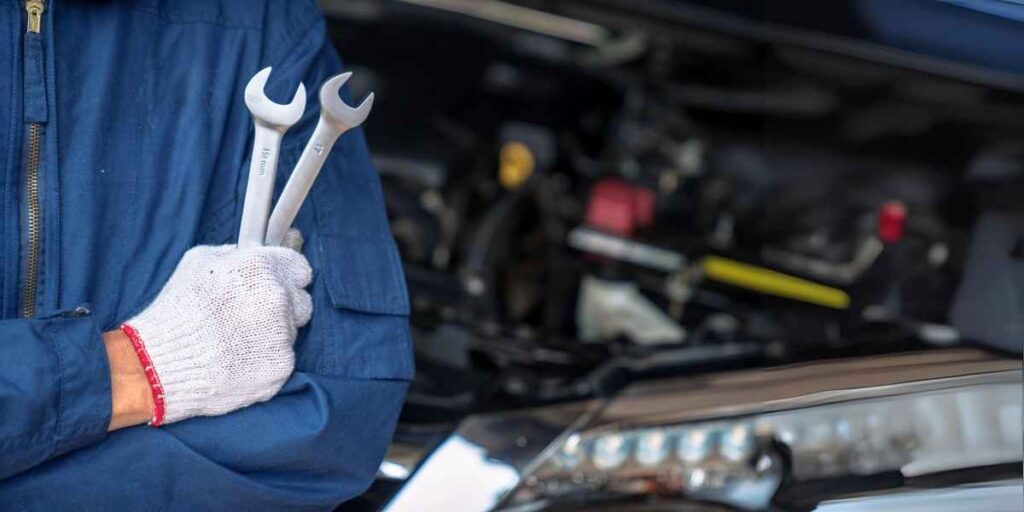
So, you see the light. What’s the next step? Bringing your vehicle to a professional shop like Anthony’s Auto Service for a proper diagnosis is key. Our process for auto repair Chehalis goes far beyond what a simple, free code reader at an auto parts store can do.
- Step 1: Code Retrieval and Analysis: We use professional-grade diagnostic scanners to retrieve the stored trouble code(s), including manufacturer-specific codes (like B-codes for body, C-codes for chassis, or U-codes for network issues) that cheaper readers can’t see. But the code is just a starting point—it tells us what system is reporting a fault, not necessarily what part has failed. A code for an O2 sensor, for example, could be caused by the sensor itself, a wiring issue, an exhaust leak, or a problem further up the line like a fuel injector issue.
- Step 2: Expert Data Interpretation: Our experienced auto mechanics analyze the live data streams from your vehicle’s sensors. We can watch values like short-term and long-term fuel trim, sensor voltages, and misfire counts in real-time as the engine runs. We look for abnormal readings and patterns that point to the root cause of the problem, allowing us to see how different systems are interacting. For instance, we can see if the computer is adding or subtracting fuel and use that information to diagnose a vacuum leak or a fuel delivery problem.
- Step 3: Pinpoint Testing and Verification: Based on the data, we perform specific tests on the suspected components. This is where true expertise comes in. This could involve checking wiring for continuity with a multimeter, using a smoke machine to find a hard-to-see vacuum leak in the intake manifold, using an oscilloscope to analyze a sensor’s electrical waveform, or performing a fuel pressure test. This methodical process confirms the exact cause of the failure beyond any doubt.
This professional approach ensures we recommend the right car repair the first time, saving you the time, money, and frustration of simply replacing parts until the light goes away. This is what makes us one of the best car repair services in Chehalis.
Don’t let that little light on your dash intimidate you. Think of it as your car asking for help. It’s a call to action, not a reason to panic.
If your check engine light is on, don’t guess—get it diagnosed. Contact Anthony’s Auto Service today for a comprehensive and accurate diagnostic service. Let our experts give you the clear answers and peace of mind you deserve.
Anthony's Auto Service
Share this article:
You May Also Like
Upgrading Your Wheels: Aesthetics vs. Performance
Addressing Brake Issues: Professional Brake Service Chehalis